Backlinks play an essential role in how a website appears in search results. To make external links easier to examine, WebHub introduced a free backlink analysis tool designed to make the process straightforward, quick and accessible.
This article describes WebHub's tool as introduced in May 2025. It is a third-party resource, not a tool provided by Hostnary.
Why was the tool created?
WebHub noticed that many digital business owners, website administrators and marketing professionals found backlink monitoring difficult. Existing tools could be complicated or expensive. The idea behind the project was that checking a backlink profile should be accessible to anyone.
The resulting solution brought together ease of use, relevant data and free access. Its purpose was to give practical support to people working to improve their online visibility.
What does the tool do?
On the WebHub backlink analysis page, users can enter a domain, including a competitor's domain, to request information about its backlink profile. The original announcement describes these results:
- Active backlinks pointing to the website being analyzed.
- Source domains that send visitors to the site.
- The link type: dofollow or nofollow.
- The anchor text used for each link.
- A history of when links appeared and, where applicable, disappeared.
- An approximate assessment of the referring domain's authority.
Who is the tool for?
WebHub's backlink analysis resource was designed for:
- Website owners who want to monitor their progress.
- SEO specialists carrying out technical audits or link-building campaigns.
- Digital marketers researching competitors.
- Bloggers and content creators who want to protect their reputation and assess the results of collaborations.
The benefits described by WebHub
1. Free and fast
At launch, WebHub described the tool as requiring no account, having no hidden limits and asking for no personal information. The intended workflow was to enter a domain and receive results within seconds. These are the original service's claims rather than commitments made by Hostnary.
2. Built for Romanian users
The interface was provided in Romanian, with results described as tailored to the local market. The announcement presented this local focus as a distinction from international SEO platforms.
3. Competitive analysis
Reviewing competitors' backlinks can reveal potential sources of collaboration or partnership. Looking at where other businesses are mentioned can help you identify relevant publishers and communities.
4. Ongoing monitoring
Returning periodically lets you see how a backlink profile changes and whether suspicious or potentially harmful links appear. A single check provides a snapshot; repeated checks make changes easier to recognize.
What was planned next?
The announcement positioned backlink analysis as a first step toward a broader set of free SEO utilities. The proposed additions included:
- A checker for broken links.
- Google keyword-position monitoring.
- A website speed checker.
- A basic technical SEO audit.
WebHub's stated aim was to become a more complete SEO toolkit for people seeking better digital performance. These were plans in the original announcement, not confirmation that every feature is available now.
Start with your backlink profile
The original article invites readers to try the WebHub backlink tool on their own website or a competitor's. Checking referring domains, anchor text and link quality can be a useful first step toward a more effective and carefully managed SEO strategy.
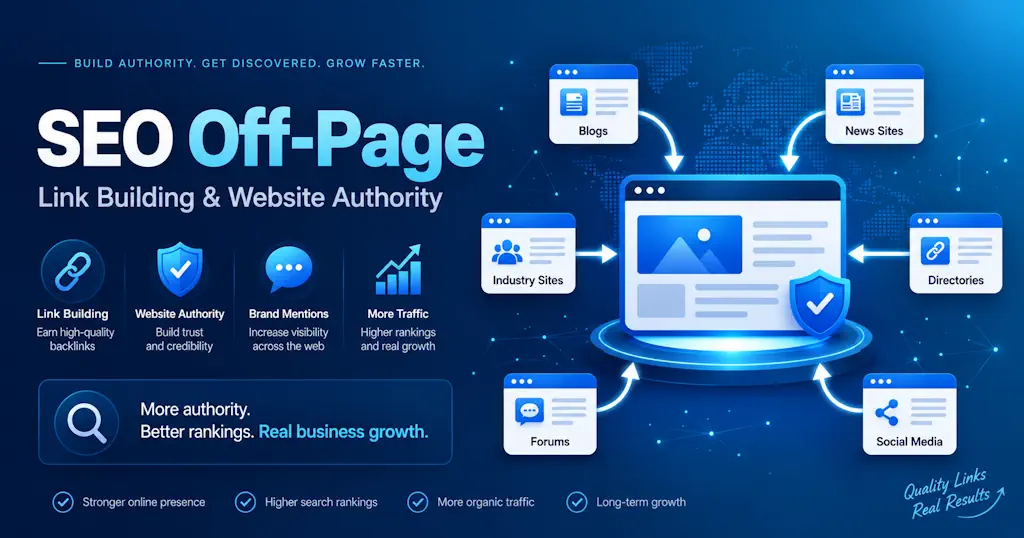
For the wider context, read our guide to off-page SEO and backlink quality.